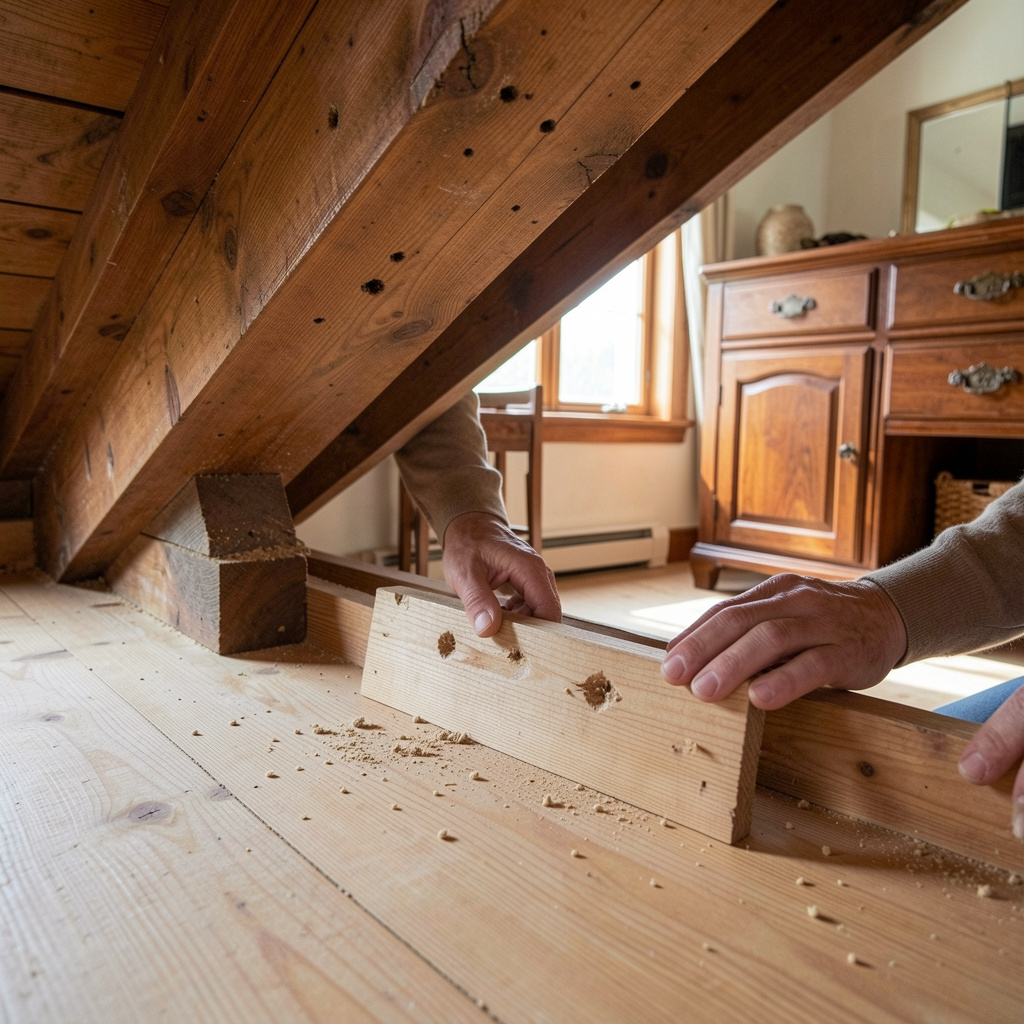
Woodworm infestation is a common problem in wooden homes, furniture, floorboards, roof beams, and structural timber. Because woodworm larvae live hidden inside wood, homeowners often wonder what methods can eliminate them effectively. One frequently asked question is: What temperature kills woodworms?
The short answer is that woodworms generally die when exposed to sustained high temperatures, especially when heat penetrates deep enough into the timber to reach hidden larvae and eggs. Heat treatment has become a popular alternative to traditional chemical methods because it can target pests inside wood without relying heavily on pesticides.
Understanding temperature-based treatment helps homeowners make informed decisions about protecting timber and preventing long-term damage.
Many homeowners researching timber care through shashel.eu/ are increasingly interested in heat-based solutions because they offer a more modern and lower-chemical approach to woodworm control.
In this guide, we will explain what temperature kills woodworms, how heat treatment works, and why proper application matters.
What Is Woodworm?
Despite the name:
Woodworm is not actually a worm
Woodworm refers to the larvae of wood-boring beetles.
How Infestation Starts
Adult beetles lay eggs in:
- Cracks in wood
- Exposed timber
After hatching:
- Larvae tunnel through wood
They commonly affect:
- Roof beams
- Furniture
- Floorboards
- Structural timber
Because larvae remain hidden:
Damage often develops quietly
What Temperature Kills Woodworms?
In general:
Temperatures above approximately 55°C to 60°C (131°F to 140°F) can kill woodworms when heat penetrates deeply enough and remains sustained for an effective period.
High heat may eliminate:
- Larvae
- Eggs
- Adult insects
Why Temperature Matters
Woodworm survives inside timber.
Surface heat alone is often not enough.
The goal is:
Deep internal heating
to reach hidden infestation.
Why Heat Treatment Works
Woodworm larvae contain moisture.
What Happens During Heating
As timber warms:
- Larvae heat internally
At sufficiently high temperatures:
Woodworms cannot survive
This makes heat treatment effective for hidden infestation.
Many homeowners exploring timber care through shashel.eu increasingly prefer heat-based methods because they target woodworms without relying heavily on harsh chemicals.
Heat Must Reach the Inside of the Wood
One important fact homeowners often overlook:
Surface warmth is not enough
Why Deep Heat Matters
Woodworm often hides deep inside:
- Roof beams
- Furniture
- Floor supports
If heat only affects the outside:
- Hidden larvae may survive
Proper treatment focuses on:
Internal temperature
not just surface heat.
Can Sunlight Kill Woodworms?
Some homeowners wonder if sunlight is enough.
The Reality
Direct sunlight may warm surfaces:
However:
It usually does not heat timber deeply enough
to eliminate hidden infestation.
Woodworm larvae often survive inside thicker timber.
Professional heat treatment works better.
How Microwave Treatment Uses Heat
Microwave technology is becoming increasingly popular.
How It Works
Microwave energy heats moisture inside:
- Wood
- Insects
This helps destroy:
- Eggs
- Larvae
- Adult pests
Why It Works Well
Microwave treatment focuses on:
Internal heating
which helps reach hidden infestation.
This often improves effectiveness.
Why DIY Heating May Not Work
Some homeowners attempt homemade heat methods.
Challenges Include
- Uneven heating
- Poor temperature control
Why This Matters
Too little heat may:
- Fail to kill larvae
Too much uncontrolled heat may:
- Stress timber unnecessarily
Professional equipment improves outcomes.
Factors That Affect Heat Treatment Success
Several things influence effectiveness.
Timber Thickness
Thicker wood takes longer to heat internally.
Moisture Levels
Wood moisture affects heating performance.
Infestation Depth
Deep infestation may require more targeted treatment.
Treatment Duration
Sustained heat matters.
Balanced treatment improves results.
Signs Heat Treatment May Be Needed
Watch for warning signs such as:
Tiny Holes in Wood
May indicate woodworm emergence.
Powdery Dust
Often signals active infestation.
Weak Timber
Damage may be spreading internally.
Beetle Activity Indoors
Repeated sightings deserve attention.
Fast action protects timber.
Benefits of Heat-Based Woodworm Treatment
Many homeowners prefer heat treatment because it offers:
Key Benefits Include
- Reduced chemical use
- Deep pest removal
- Hidden infestation targeting
Why This Matters
Healthier indoor environments matter.
Many families prefer lower-chemical solutions.
Comfort improves.
Common Misconceptions About Heat Treatment
Myth 1: Warm Rooms Kill Woodworms
Normal household temperatures are not enough.
Myth 2: Surface Heat Solves the Problem
Hidden larvae often survive.
Myth 3: Heat Damages All Timber
Professional systems carefully manage temperatures.
Understanding treatment improves decision-making.
Long-Term Prevention Tips
Even after treatment:
Prevention still matters.
Helpful Prevention Habits Include
- Keep wood dry
- Improve ventilation
- Fix leaks quickly
- Inspect timber regularly
Healthy timber naturally resists infestation.
Consistency protects wood.
Conclusion
So, what temperature kills woodworms? In general, woodworms are typically eliminated when timber reaches sustained temperatures of around 55°C to 60°C (131°F to 140°F), provided the heat penetrates deeply enough into the wood.
Because woodworm larvae often remain hidden inside timber, effective treatment depends on reaching internal infestation rather than only heating the surface.