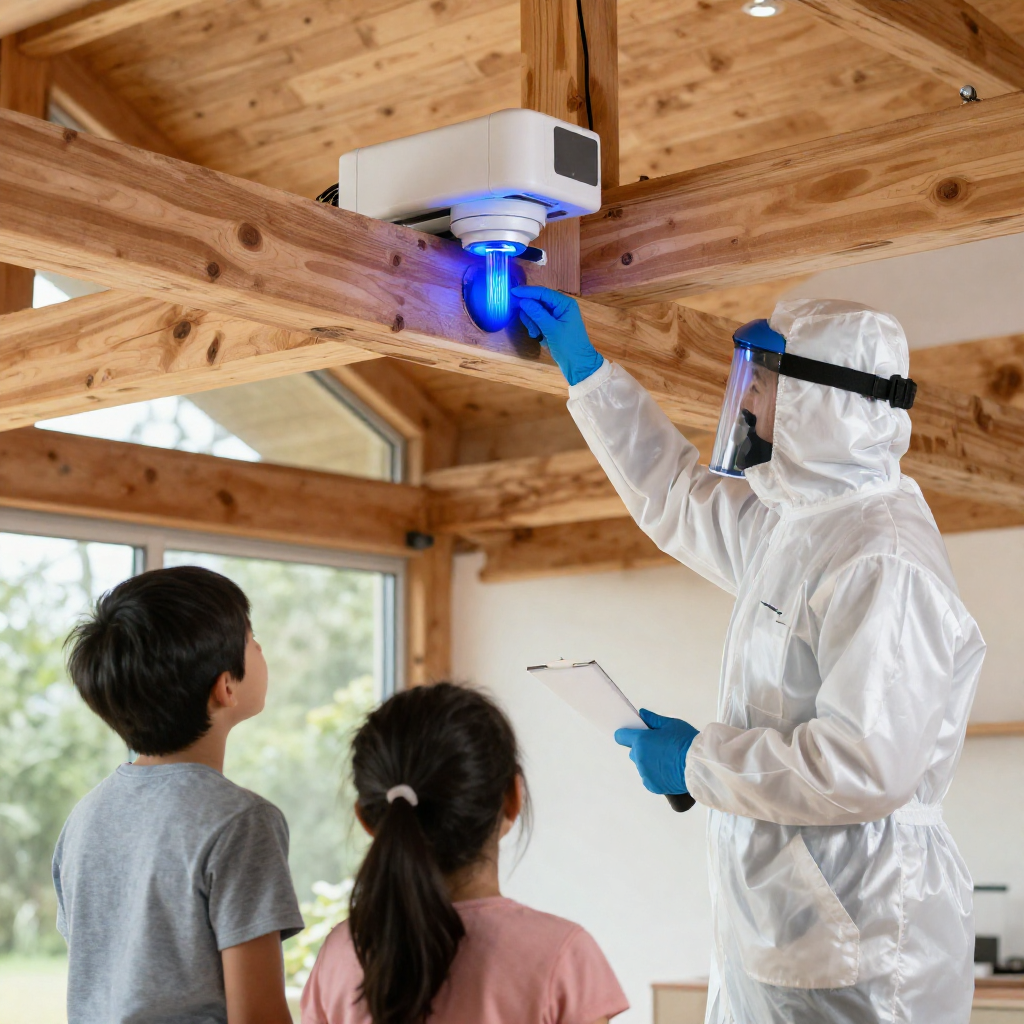
Termites are among the most destructive wood-damaging pests that homeowners can encounter. Often called “silent destroyers,” they can feed on timber for months or even years before obvious signs of damage become visible. Because termites typically remain hidden inside wood, walls, or underground, many infestations are discovered only after significant structural damage has already occurred.
The good news is that early detection can dramatically reduce repair costs and help protect your home from extensive damage. By understanding the warning signs of termite activity and inspecting vulnerable areas regularly, homeowners can identify potential infestations before they become severe.
This guide explains how to recognize the early signs of a termite infestation, where to inspect, and the best practices for protecting wooden structures.
Why Early Detection Matters
Termites feed on cellulose, the main component of wood and many other plant-based materials.
If left untreated, they may damage:
- Structural beams
- Floor joists
- Roof timbers
- Wall framing
- Wooden flooring
- Doors and window frames
- Wooden furniture
Detecting termite activity early helps preserve structural integrity and minimizes repair costs.
Common Types of Termites
Different termite species behave differently.
The most common include:
- Subterranean termites
- Drywood termites
- Dampwood termites
Each species has unique nesting habits, but all can damage wooden structures.
Look for Mud Tubes
Subterranean termites build narrow mud tubes to travel between their underground colony and food sources.
These tubes are commonly found on:
- Foundation walls
- Crawl spaces
- Basement walls
- Concrete supports
- Exterior brickwork
Mud tubes help termites stay protected from predators and dehydration.
Watch for Hollow-Sounding Wood
Tap exposed wooden surfaces with a screwdriver handle or similar object.
Wood that sounds hollow may indicate internal termite damage.
Pay special attention to:
- Support beams
- Floor joists
- Window frames
- Door frames
- Deck posts
Hollow wood should always be investigated further.
Check for Frass
Drywood termites leave behind small, hard, pellet-shaped droppings called frass.
These pellets often accumulate:
- Below infested wood
- On windowsills
- Near furniture
- Along baseboards
Unlike the fine powder left by wood-boring beetles, termite frass has a distinctive pellet-like appearance.
Inspect for Swarming Termites
During the breeding season, reproductive termites leave established colonies to create new ones.
Signs include:
- Flying termites indoors or near windows
- Discarded wings
- Swarms around outdoor lights
Swarming does not always indicate structural damage, but it is an important warning sign that termites are active nearby.
Examine Doors and Windows
As termites damage wooden frames, you may notice:
- Doors sticking
- Windows becoming difficult to open
- Warped frames
- Cracked paint
These issues may also result from moisture, so further inspection is important.
Look for Surface Damage
Although termites feed inside wood, exterior surfaces may eventually show signs of deterioration.
Watch for:
- Blistered wood
- Bubbling paint
- Small holes
- Cracks
- Sagging timber
Surface damage often appears after internal feeding has progressed.
Inspect the Foundation
The foundation is one of the first places subterranean termites may enter.
Inspect regularly for:
- Mud tubes
- Cracks
- Excess moisture
- Wood-to-soil contact
Reducing direct contact between soil and timber helps lower the risk of infestation.
Check Roof Spaces and Attics
Roof structures can also be affected.
Inspect:
- Roof trusses
- Ceiling joists
- Wooden rafters
- Stored timber
Look for:
- Hollow wood
- Frass
- Visible insect activity
- Structural weakening
Routine attic inspections help identify problems early.
Monitor Outdoor Wooden Structures
Outdoor timber can sometimes be the first area affected.
Inspect:
- Decks
- Pergolas
- Wooden fences
- Garden sheds
- Wooden retaining walls
Maintaining these structures reduces the risk of termites spreading closer to the home.
Reduce Conditions That Encourage Termites
Preventive maintenance helps make your property less attractive to termites.
Recommended practices include:
- Repair roof leaks promptly.
- Fix plumbing leaks.
- Improve drainage.
- Remove dead tree stumps.
- Store firewood away from the house.
- Avoid wood-to-soil contact where possible.
- Maintain protective wood finishes.
A dry, well-maintained property is generally less attractive to many wood-damaging pests.
Modern Termite Treatment Options
Treatment methods vary depending on:
- The termite species
- Colony size
- Location of the infestation
- Accessibility
- Extent of structural damage
Professional termite management may involve localized treatments, baiting systems, barrier treatments, or whole-structure solutions depending on the specific situation.
Microwave Technology and Timber Preservation
Professional microwave technology is widely used for treating certain woodworm (wood-boring beetle) infestations using controlled dielectric heating.
The treatment is designed to eliminate:
- Woodworm larvae
- Beetle eggs
- Pupae
- Adult wood-boring beetles
While microwave technology has important applications in timber preservation, termite treatment typically requires specialized methods designed specifically for termite colonies and their behavior.
Early Termite Detection Checklist
Inspect regularly for:
- Mud tubes
- Hollow wood
- Pellet-shaped frass
- Flying termites
- Discarded wings
- Blistered wood
- Cracked paint
- Difficult-to-open doors and windows
Routine inspections make early detection much more likely.
Termites vs. Woodworm
| Termites | Woodworm |
|---|---|
| Social insects living in colonies | Larvae of wood-boring beetles |
| Feed continuously on wood | Feed during the larval stage |
| Produce pellet-shaped frass (drywood termites) or mud tubes (subterranean termites) | Leave fine powdery frass and small exit holes |
| Can damage large structural areas | Damage depends on beetle species and infestation severity |
| Often require colony-based treatment methods | Usually treated by targeting infested timber |
Correct identification is essential because treatment methods differ significantly.
Common Mistakes to Avoid
Avoid these common errors:
- Ignoring small piles of termite frass.
- Assuming all wood damage is caused by termites.
- Delaying inspections after discovering flying termites.
- Allowing wood-to-soil contact around the property.
- Neglecting routine maintenance of wooden structures.
Early action helps minimize structural damage.
Common Myths About Termite Infestations
Myth 1: Termites Only Attack Old Homes
Fact: Both new and older homes can become infested if conditions are suitable.
Myth 2: Visible Damage Appears Immediately
Fact: Termites often remain hidden inside timber for months or years before obvious damage becomes visible.
Myth 3: One Flying Termite Means the House Is Infested
Fact: A swarming termite may indicate a nearby colony, but it does not automatically confirm an active infestation within the home. A thorough inspection is needed to determine the source.
Conclusion
Early termite detection is one of the most effective ways to protect your home from costly structural damage. By routinely inspecting foundations, roof spaces, wooden furniture, decks, and other timber structures for mud tubes, frass, hollow wood, and swarming termites, homeowners can identify warning signs before an infestation becomes severe.
Preventive maintenance—including controlling moisture, repairing leaks, reducing wood-to-soil contact, and inspecting timber regularly—plays a vital role in long-term protection. Understanding the differences between termites and woodworm also helps ensure that the correct treatment method is selected when needed. With consistent monitoring and good property maintenance, homeowners can greatly reduce the risk of extensive termite damage.Visit https://www.shashel.eu online for more details.