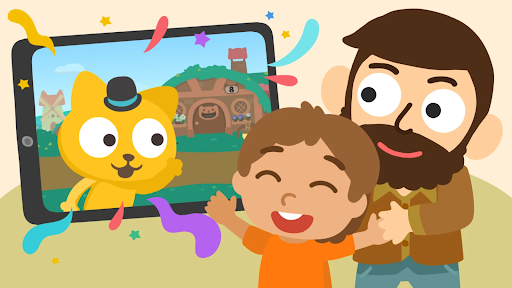
Could a few minutes a day unlock better focus, memory, and creativity for your child?
You want one clear place to start your child’s journey and a tool that makes language learning feel simple, fun, and motivating from day one.
Research shows that second-language study boosts problem-solving, listening, memory, and concentration. Bilingual learners often show stronger reading and math scores and gain social benefits, such as empathy and cultural awareness.
Today’s top apps use bite-sized lessons, safe design, and precise progress tracking so you can see real growth without guessing. If you’ve been hunting for a top kids language app, you’re on the right track—short sessions, real gains, less friction.
Studycat fits many family goals by blending playful activities with structured practice and easy tools to celebrate wins. You’ll get the right mix of features, short sessions that respect your child’s time, and a path for steady skill building.
Key Takeaways
- Short, consistent sessions turn minutes into lasting skills.
- Playful design can still deliver measurable progress.
- Look for safe interfaces, clear lessons, and easy tracking.
- Second-language study boosts both academics and social skills.
- Studycat often aligns with family goals for fun, structured learning.
Why now is the perfect time for your child to start language learning
Right now is a rare moment: tech, curriculum design, and safety have finally moved together to help your child learn a new language with less guesswork.
From toddlers to teens: adaptive pathways that meet your child’s pace
Toddlers learn with songs and visuals. Older kids get structured lessons that build fundamental skills toward exams or classroom work.
You can try several options and pick the one that fits your family’s routine. Short, daily sessions maximize limited time while keeping learning both fun and effective.
The Best Children’s Language App: what that really means for you and your child
Choose an experience that keeps your child curious while providing clear markers of real progress. When people ask for the best children language app, this is what they usually mean: safe, playful, structured… and it actually builds skills.
No distractions and clear guardrails matter. A proper kid-focused solution removes ads, keeping lessons focused. You want robust parental controls and offline access so that practice can continue on trips or quiet days.
Look for progress tracking that shows milestones, not just streaks. That helps you celebrate fundamental skills and plan next steps.
Educational alignment that works
Good platforms align with standards and use multisensory content—such as songs, stories, visuals, and interactive exercises. That mix makes new words stick.
Repetition should feel fresh. Spaced practice and varied exercises reinforce core phrases without becoming a chore. Studycat blends playful games, songs, and stories with structured paths and parent-friendly controls to keep your child safe and motivated.
No-ads environment to boost focus
- Parental dashboards, offline mode, and evident progress
- Multi-sensory content and thoughtful repetition
Meet Studycat: playful, structured, and made for real-life learning
Studycat delivers kid-approved games and catchy songs that turn brief moments into steady progress. You get a clear path from simple words to phrases your child can use every day. The design keeps practice light while focusing on real gains. If you want the best rated kids language app vibe—fun plus results—this is the direction.
Games, songs, stories, and videos that build vocabulary and phrases
Multi-sensory content—games, songs, stories, and videos—helps vocabulary stick. Activities are short and playful, so kids stay curious and try again.
Short lessons, spaced repetition, and practice that sticks
Lessons are bite-sized and use spaced repetition to reinforce words without pressure. That repetition makes the review feel natural and keeps momentum between sessions.
Family-friendly subscriptions and easy access across devices
One family subscription lets multiple children learn on phones and tablets with shared progress tracking. You get parental controls, clear progress visibility, and simple device access. For families using tablets on the couch or in the car, the best kids language tablet app setup just… works.
| Feature | What it offers | Why it helps |
| Games & videos | Interactive play and short clips | Makes vocabulary and phrases usable in real life |
| Spaced repetition | Automated review schedules | Improves long‑term recall without overload |
| Family subscription | Multiple profiles, shared billing | Consistent progress for all kids, easy access |
Top kids’ language learning apps you should consider alongside Studycat
If you want a quick way to compare alternatives, this shortlist shows standout learning tools that pair play with real progress. Searching the landscape of top kids language apps helps you see what “good” looks like—then you can pick the one that fits your routine.
Quick shortlist: use this list to compare features, cost, and access. Studycat belongs on your shortlist—balance playful games and structured lessons to find the right fit.
How to choose the right learning app by age, goals, and learning style
Choosing the right tool depends on your child’s age, goals, and preferred learning style. Start by matching the experience to your family’s routine. Short daily lessons are more effective than sporadic marathon sessions. When in doubt, try the top children language app candidates with a short trial and watch your child’s reactions.
Ages 2–5: songs, stories, visuals, and tap-to-learn activities
For toddlers, pick playful content. Songs, simple stories, bright visuals, and tap-based play build early vocabulary.
Studycat adapts well here with songs and stories that make first phrases stick.
Ages 6–10: games, speaking practice, and real-life scenarios
School-age kids need animated games, speaking exercises, and scenarios that use everyday phrases.
Look for platforms that add short speaking prompts and varied exercises to build confidence.
Ages 11+: structured curricula, authentic videos, and progress reports
Older learners benefit from clear curricula, real-world videos, and detailed reports that demonstrate skill growth.
Use trials to test the fit and select an option that aligns with your academic goals or conversational skills.
- You’ll pair ages 2–5 with songs, stories, and tap play.
- You’ll pick ages 6–10 with games and speaking practice.
- You’ll support ages 11+ with structured lessons, videos, and reports.
Keep a shortlist and use trials to confirm the right fit.
Safety, screen time, and school readiness: what parents should look for
Good digital tools protect focus, limit distractions, and make screen time predictable. If you’re comparing the field of top children language apps, keep two things in mind: ad-free design and precise parent controls.
No-ads environments keep your child focused on lessons and activities. You’ll want apps that remove ads and avoid links to external sites.
Safe communication by design matters. Look for products with no open chat, age-appropriate content, and clear privacy rules that block strangers.
Parental controls, dashboards, and time tools
Select platforms that offer parental dashboards, which display progress and allow you to set daily limits. Those features help match digital practice to school goals.
Offline access is helpful for travel and keeps learning consistent without compromising your supervision standards.
| Priority | What to check | Why it helps |
| No ads | Ad-free lessons and activities | Fewer distractions; safer taps |
| Controls | Time limits and content filters | Aligns use with family screen rules |
| Progress | Parent dashboard and reports | Shows school-ready gains and areas to review |
| Trust | User reviews and privacy policy | Real-world reassurance from other families |
Pricing, free versions, and subscriptions: getting value for your family
Pricing can feel confusing, but a quick comparison helps you pick the right value for your family. When you scan best rated children language apps, look for what the free tier unlocks and whether the premium plan adds offline access, dashboards, and deeper lessons.
Start by testing the free version to see if basic lessons and activities fit your child’s routine.
Many platforms hide parent dashboards, offline access, and extra activities behind paid tiers. Decide if those features matter before you pay.
Free version vs. premium features: what “per month” really unlocks
Free versions often cover basics: a taste of lessons, limited activities, and occasional ads. Premium subscriptions usually add offline access, full curricula, and parent dashboards.
Monthly plans give flexibility. Annual plans cut the monthly equivalent and can save money if your family sticks with learning year-round.
One-time purchases, annual savings, and family access
Studycat offers family-friendly subscriptions and simple access across devices so siblings keep separate progress under one bill.
- Weigh-free version limits and what premium unlocks.
- Consider one-time purchases if you want fixed costs.
- Compare annual plans to lower the per-month price.
- Check family access so that each child can track their own progress.
- Scan reviews and price points to estimate the value that suits your needs.
What the science says: language learning boosts for kids
Studies have found that small, steady practice with new words enhances memory, attention, and flexible thinking.
Research shows that learning a second language improves memory, concentration, and problem-solving. Bilingual learners often score higher in reading, writing, and math at school.
Regular lessons sharpen mental flexibility. When children learn new patterns and sounds, they develop skills that enable them to solve puzzles and think creatively.
Memory, concentration, problem-solving, and creativity gains
You’ll see language learning support memory and focus, which can translate to better results across subjects. Short activities and spaced practice make review easier and keep new words from fading.
Social-emotional growth: empathy, cultural awareness, and confidence
Exposure to another language boosts empathy and cultural sensitivity. Using new phrases with family and friends helps build confidence and deepen bonds. Studycat supports these research-backed benefits with playful, structured activities, songs, videos, and stories that turn practice into a positive experience.
You’ll notice sharper attention and better recall in day-to-day tasks. Regular lessons can spark creative thinking as children explore new sounds and rules. Simple at-home routines—such as sharing a phrase at dinner or singing a song—make learning social and lasting.
Turn app time into family time: daily routines that drive progress
Turn short screen moments into shared routines that help new words stick. Make a simple plan that fits your week. Small, repeatable habits beat long sessions.
Set a day-by-day plan: micro-lessons, practice, and review
Map out tiny lessons for each day—five to ten minutes of focused work. Use micro-lessons, then add a quick review to lock in progress. Studycat helps by sending playful prompts you can use around the house.
Use the new language at home: mealtime phrases, songs, and play
Turn app time into family time by using simple phrases at meals and during play. Sing a song together, narrate a short story, or play a matching game to build vocabulary without pressure. True story: my kid once whispered “gracias” to the cashier after a week of food-words practice—small moment, big grin, I’ll be honest, I teared up…
- Daily plan: micro-lessons tailored to your schedule, with a brief review each day.
- Natural practice: repeat target words during meals, chores, and games.
- Varied exercises: rotate listening, speaking, and quick comprehension checks.
- Track and celebrate: notice small wins to keep motivation and steady progress.
When you weave learning into everyday moments, practice feels like play. That way, new phrases and skills arrive naturally, and your child looks forward to each day.
Conclusion
A steady, low-pressure routine is the most straightforward way to turn app minutes into lasting skills. Put Studycat at the top of your shortlist, as it combines playful design with structured lessons and clear progress that you can feel. If you’re narrowing down the top rated children language apps, watch for ad-free design, quick lessons, and parent dashboards.
Choose an approach that fits your schedule. Try a short trial, watch for useful features and fair subscription pricing per month, then commit to a simple way to keep progress steady.
FAQ
How do I pick the right kids’ language learning app for my child?
Look at your child’s age, goals, and learning style. For toddlers, prioritize songs, stories, and tap-to-learn visuals. For school-age kids, choose apps with speaking practice, games, and real-life scenarios. For preteens and teens, pick structured curricula, authentic videos, and progress reports. Also check for no-ads environments, parental controls, and offline mode so learning fits your family’s routine.
What features make an app truly family-friendly?
Family-friendly products include ad-free content, strong parental controls, separate learner profiles, and family subscription options. Offline access, progress tracking, and time-management tools help you balance screen time and school readiness. Bonus features are CEFR-aligned pathways, spaced repetition, and multi-sensory activities like songs and stories.
Is it safe for young kids to use language apps every day?
Yes, when you choose an app built for kids. Prioritize platforms with no-ads, safe communication design, and robust parental dashboards. Set daily limits and use micro-lessons—five to fifteen minutes is plenty for younger learners. That keeps sessions short, focused, and effective without overdoing screen time.
Do free versions provide enough information, or should I opt for the premium version?
Free versions often cover basics and let you test the approach. Premium unlocks deeper features: full lesson libraries, spaced repetition, offline downloads, and family access. Consider a monthly or annual plan if you want consistent progress, multiple profiles, and reporting tools for school or tutoring alignment.
How much time does my child need to make real progress?
Small daily habits beat occasional long sessions. Aim for short, regular practice—five minutes for toddlers, ten to twenty minutes for school-age kids. Consistency, spaced repetition, and varied activities (games, stories, speaking) drive retention and vocabulary growth over weeks and months.
What role does spaced repetition play in learning?
Spaced repetition helps vocabulary stick by revisiting words at optimal intervals. Apps that use this method boost long-term memory and reduce boredom. Look for short lessons plus review cycles so new words move from short-term recall into lasting use.
How can I turn app practice into real-life use at home?
Make the new language part of daily routines. Try mealtime phrases, short songs during play, or a five-minute review before bed. Use labels around the house, encourage role-play, and praise attempts. Family involvement makes practice feel natural and builds confidence.
Which supplemental activities help learning stick?
Combine app time with songs, short videos, story reading, and hands-on play. Use repetition through games and spiral learning—review past content in new contexts. These multi-sensory activities improve memory, concentration, and creativity while keeping practice fun.
Can siblings share a subscription and still get tailored lessons?
Many family plans let you create separate profiles so each child receives age-appropriate pathways. That means adaptive lessons, individual progress tracking, and different practice schedules—all under one subscription for easier management.
What languages and content can I expect for different age groups?
Toddler content focuses on 12–30 basic words and simple phrases through songs and short videos. Older kids access hundreds of vocabulary items, grammar-light phrases, and scenario-based lessons. Some platforms offer 30–50+ languages, while others specialize in English-first or targeted language sets.
How do games and rewards affect learning motivation?
Games, coins, streaks, and mini-achievements boost engagement and habit formation. When paired with meaningful practice—speaking, stories, and review—they motivate kids without distracting from real progress. Choose apps that balance play with pedagogical structure.
Are one-time purchase apps better than subscriptions?
It depends on your needs. One-time purchases can be cost-effective for fixed content and offline use. Subscriptions often add ongoing updates, expanded language choices, and cloud-based progress across devices. Compare content depth, family access, and long-term value before deciding.
How do I evaluate progress and know the app is working?
Track measurable milestones: number of words learned, completed lessons, speaking attempts, and review success rates. Use parental dashboards or progress reports to spot trends. If your child uses phrases in play or responds to simple prompts, that’s a strong sign the app is effective.